
TL;DR
Here are 10 World Cup Travel Hacks to save money during the 2026 tournament: ship luggage ahead, stay outside host cities, use ground transport, travel mid-week, utilize eSIMs, visit fan zones, pack stadium snacks, eat local, book accommodation early or last-minute, and avoid rideshare surge pricing. These tips can lead to significant savings during your trip.
Introduction
The 2026 FIFA World Cup is going to be incredible. It’s also going to be brutally expensive if you walk in unprepared. With 48 teams, 16 host cities, and a tournament stretched across three countries, fans following their team for more than a few days will quickly find that the small stuff — baggage fees, surge rides, stadium beers, last-minute hotels — adds up to thousands of dollars they didn’t budget for. That’s why this list of World Cup Travel Hacks exists.
We’ve pulled together the 10 most effective money-saving moves international fans can make for the 2026 tournament. None of them require sacrificing the experience. All of them work in real life. Use whichever ones fit your itinerary — and skip the rest.
Table of Contents
How These World Cup Travel Hacks Add Up
The 2026 World Cup spans three countries, 16 host cities, and up to 39 days of football. Each of these hacks targets a specific cost trap — baggage fees, surge pricing, peak hotel rates, roaming charges, stadium markups, last-minute booking penalties. Used alone, any one of them saves a modest amount. Stacked together across a multi-week tournament trip, the savings compound into thousands of dollars.
Some of these hacks need pre-trip planning (shipping luggage, booking accommodation, buying eSIMs). Others kick in once you’re on the ground (fan zones, transit, where to eat). The longer your trip, the more each hack matters. A 5-day single-city visit benefits most from a few key moves; the full 6-week tournament needs all 10 working together. Read through, then apply whichever ones fit your itinerary.
1. Ship Your Luggage Ahead Instead of Checking Bags
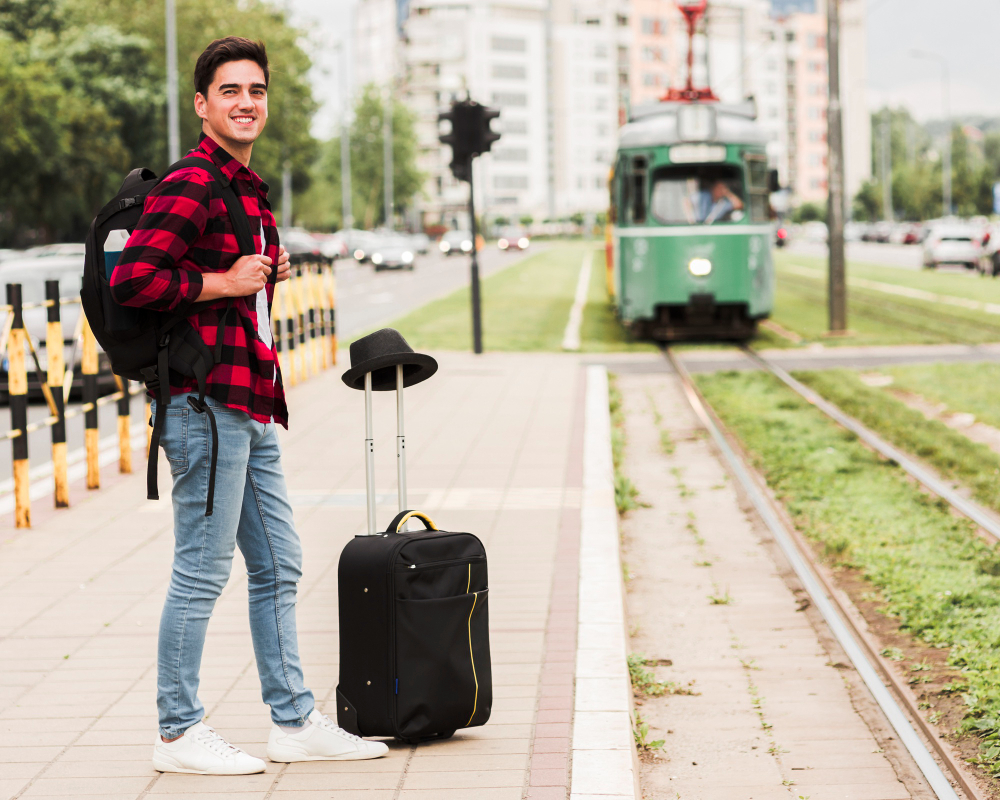
The single biggest money-leak for World Cup fans is airline baggage fees. Internal flights between host cities will charge per checked bag, per leg, with overweight surcharges piled on top. For a multi-week trip across the USA, Mexico, and Canada, that’s hundreds of dollars wasted on luggage alone.
The smart move: ship your gear ahead. LuggageToShip partners with FedEx, DHL, and UPS to handle door-to-door luggage forwarding to 220+ countries with savings of up to 70% off retail rates. Six months of free storage comes included — useful when you’re hopping between match cities. Pack a carry-on for daily essentials, ship the rest, and skip the carousel completely.
2. Stay Just Outside Host Cities and Commute In
Hotel rates inside host cities will spike to absurd levels during match days. The hack: book accommodation in nearby suburbs or smaller cities a short transit ride out, then commute in for matches and fan zones.
Toronto fans should look at Mississauga or Hamilton. New York visitors can stay in Newark or Jersey City. Mexico City matches? Consider staying in Querétaro or Toluca. The savings on hotel rates frequently exceed double the cost of daily train tickets — and many secondary cities offer better restaurant value too.
3. Take Ground Transport Between Nearby Host Cities
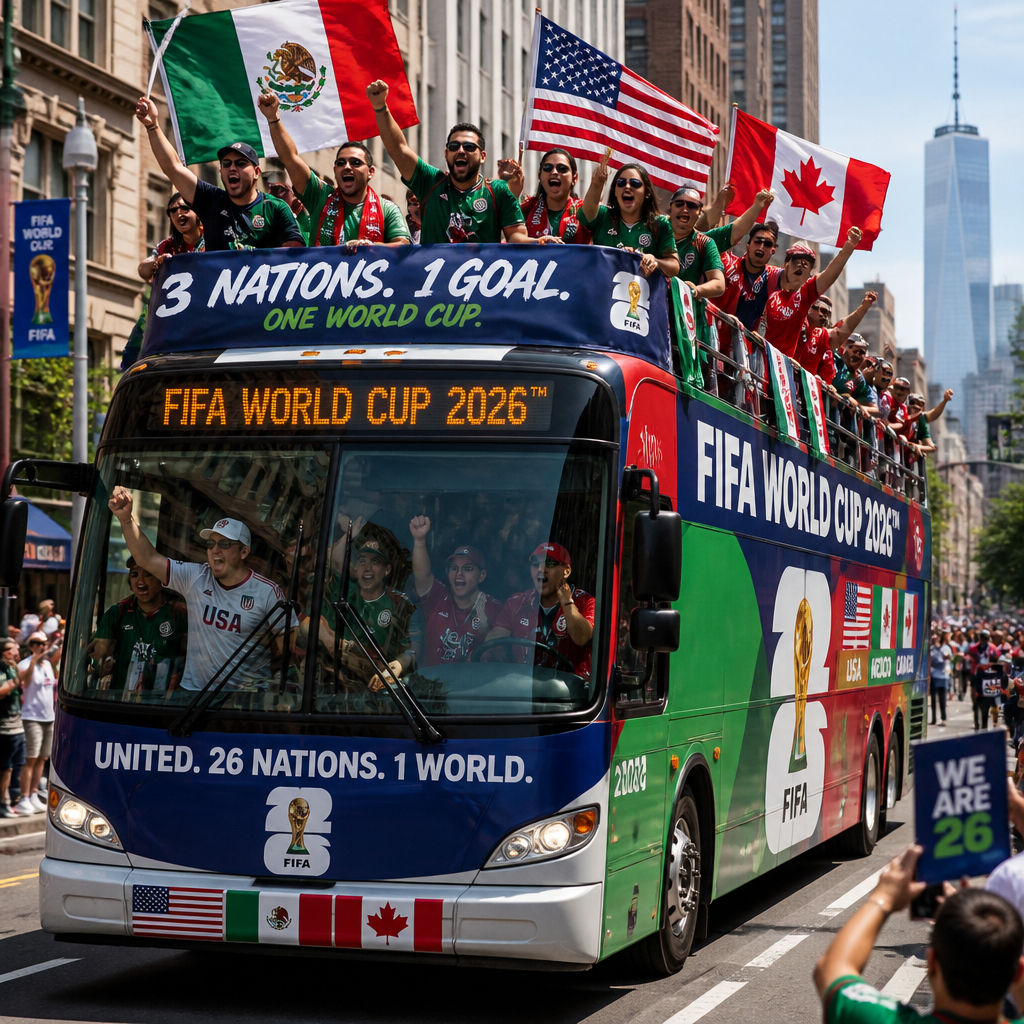
You don’t always need to fly. Several host cities sit within reasonable bus or train distance of each other, and those connections are dramatically cheaper than internal flights during peak World Cup demand.
Examples worth knowing: Boston to New York runs on Amtrak in under four hours. Toronto to Vancouver isn’t realistic, but Toronto to Buffalo (then onward) is workable. Mexican ADO and Primera Plus buses connect Mexico City, Guadalajara, and Monterrey efficiently. Always price ground transport before defaulting to a flight — the savings can be substantial.
4. Travel Mid-Week, Not Weekends
Match-day weekends will see flight prices double or triple between host cities. The hack: time your inter-city flights for Tuesday, Wednesday, or Thursday departures whenever possible.
If your team’s group-stage match is on Saturday, fly in on Wednesday and out on Monday. If you’re chasing knockout matches, build flex into your booking. Many fans booking matches back-to-back across multiple cities make the mistake of flying on match days — exactly when prices peak.
5. Get a Local eSIM or Travel SIM
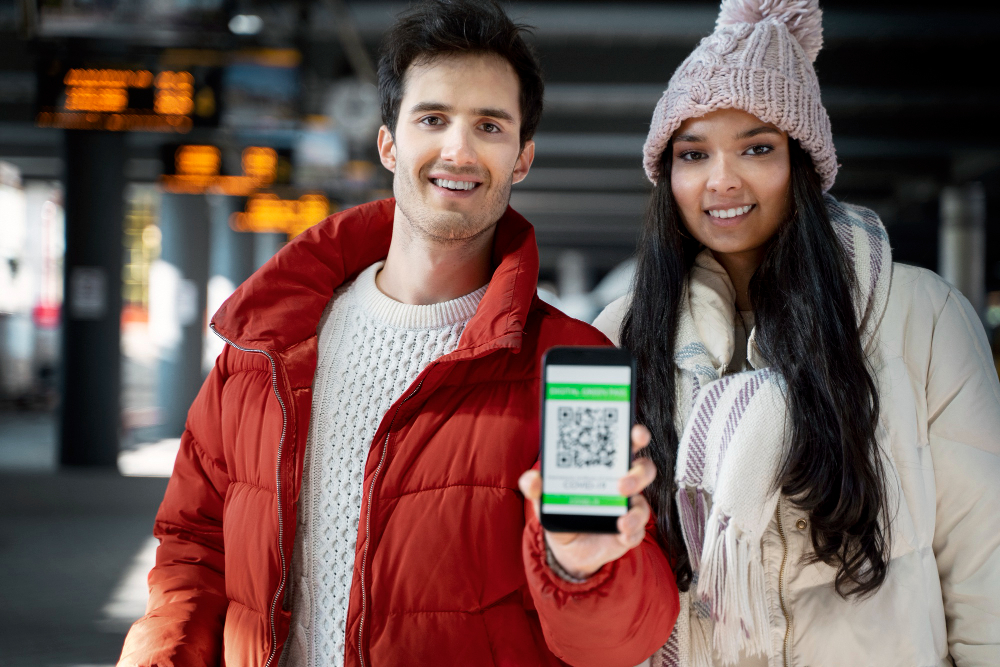
International roaming across three countries will destroy your budget faster than anything else. A typical roaming plan from a European or Asian carrier runs absurd daily rates across the US, Mexico, and Canada — multiply by 30+ days, and you’re paying more than the cost of your flight.
The hack: buy a multi-country eSIM (Airalo, Holafly, Nomad) before you fly. North America bundles cover all three host countries with one plan, no physical SIM swap required, activated in minutes. Savings are typically 70–90% versus roaming.
6. Hit Fan Zones for Free Matches and Atmosphere
You won’t be at every match. Nobody can afford to be. The hack: use official FIFA fan zones in each host city to watch matches on massive screens with thousands of other fans — for free. Food, drinks, and entertainment vendors are usually on-site, and the atmosphere often beats the actual stadium experience for matches not involving your team.
Every host city is planning fan zones for 2026. Check the official FIFA host cities page closer to the tournament for venue confirmations.
7. Pack Stadium-Friendly Snacks and a Water Bottle
Concession prices inside World Cup stadiums will be eye-watering. Beer prices alone could double what you’d pay at a local bar a block away.
The hack: pack a sealed snack stash (energy bars, nuts, dried fruit) in your day bag plus an empty reusable water bottle that you fill after security. Most venues allow sealed snacks and empty bottles — confirm specific rules per stadium. Save the splurge for one signature meal or beer per match instead of grazing on $20 nachos all day.
8. Eat Where the Locals Eat, Not Where the Tourists Eat
Restaurants within three blocks of any stadium or major tourist landmark will charge 50–100% more than equivalent spots ten blocks away. The hack: walk further before you eat.
In Mexico City, find a fonda or street vendor instead of the tourist-trap mariachi restaurant. In Miami, skip Lincoln Road for the Cuban spots in Little Havana. In Toronto, head to Chinatown or Greektown rather than the dining row near Rogers Centre. Better food. Real local atmosphere. A fraction of the price.
9. Book Accommodation Early — Or Wait for Last-Minute Drops
Accommodation pricing follows a U-curve during major events. Book very early (6–9 months out) to lock in pre-surge rates, or play chicken with last-minute drops on platforms like Hotels.com Mobile and HotelTonight as hosts release unsold inventory.
The middle window (2–4 weeks before match days) is the worst time to book. Avoid it. If you’re locked into a fixed itinerary, book early. If you’re flexible, the last-minute play can produce genuine bargains — but bring nerves of steel.
10. Use Public Transit on Match Days, Not Rideshares
Uber and Lyft will hit absurd surge pricing within a 3-mile radius of stadiums during match windows. A normal $15 ride can spike to $80+ in minutes after the final whistle.
The hack: use public transit. Most 2026 host cities are running expanded metro, bus, and rail schedules for the tournament, with several offering free or discounted match-day passes for ticket holders. Walk a few blocks away from the stadium before booking a rideshare if you must use one — surge zones are tight, and clearing them drops prices fast.
Bonus: Bundle Smart Packing With Smart Shipping
Combining these World Cup travel hacks works best when paired with a smart packing strategy. See our World Cup Packing List by trip length for what to pack for 5-day, 2-week, and 6-week trips. The right luggage strategy alone can save hundreds of dollars when combined with shipping ahead.
Conclusion
The 2026 World Cup will be the largest, most spread-out football tournament in history — and the fans who plan smart will enjoy it more than the ones who get bled dry by hidden costs. These 10 World Cup Travel Hacks won’t eliminate the cost of the trip, but they will dramatically shrink the gap between budgeting and reality.
The single biggest lever among them: shipping your luggage ahead. LuggageToShip makes that easy with global coverage, FedEx, DHL, and UPS partnerships, and free storage between host cities. Pack light, travel smart, and enjoy the football.
Frequently Asked Questions
What are the best World Cup Travel Hacks for saving money?
Shipping luggage ahead, staying outside host cities, taking ground transport between nearby venues, traveling mid-week, and using a multi-country eSIM. Combined, these can save thousands over a multi-week trip.
Is shipping luggage cheaper than checking bags during the World Cup?
Yes, for multi-flight trips. Airlines stack fees per bag per flight, while luggage forwarding charges one flat per-piece rate.
How do I avoid roaming charges across the USA, Mexico, and Canada?
Buy a multi-country North American eSIM (Airalo, Holafly, Nomad) before traveling. One plan covers all three host countries at a fraction of standard roaming rates.
Are fan zones free at the 2026 World Cup?
Yes. Official FIFA fan zones in every host city offer free entry and free match viewing on giant screens.
When are flights between host cities cheapest?
Tuesday, Wednesday, and Thursday flights are typically 30–50% cheaper than match-day weekend flights.
Can I bring food into World Cup stadiums?
Most venues allow sealed snacks and empty reusable water bottles through security. Specific rules vary by stadium.
How does LuggageToShip work?
Book online, attach the provided shipping label, then choose doorstep pickup or drop off at 25,000+ FedEx and DHL locations. Your luggage is delivered directly to your destination.
Does LuggageToShip ship to all 2026 World Cup host countries?
Yes. LuggageToShip ships across the USA, Mexico, and Canada — plus 220+ countries worldwide — so fans can use one service across the entire tournament.
What carriers does LuggageToShip partner with?
LuggageToShip partners with FedEx, DHL, and UPS — the three largest global logistics networks — for flexible routing and competitive pricing.
Does LuggageToShip include free storage?
Yes. Every shipment includes six months of free storage, with affordable extended storage available afterward.
Can LuggageToShip deliver my luggage to a World Cup hotel?
Yes. LuggageToShip delivers door-to-door to hotels, dorms, cruise terminals, or any specified address across all host cities.

